
Crocodile country: should you go under your boat with a mini tank?
From the Boyne River north to Cape York and across the Top End, no waterway is crocodile free. What Queensland and NT authorities say about going under a boat.
Updated 18 October 2026 · 3 min read · by the OXSEA team
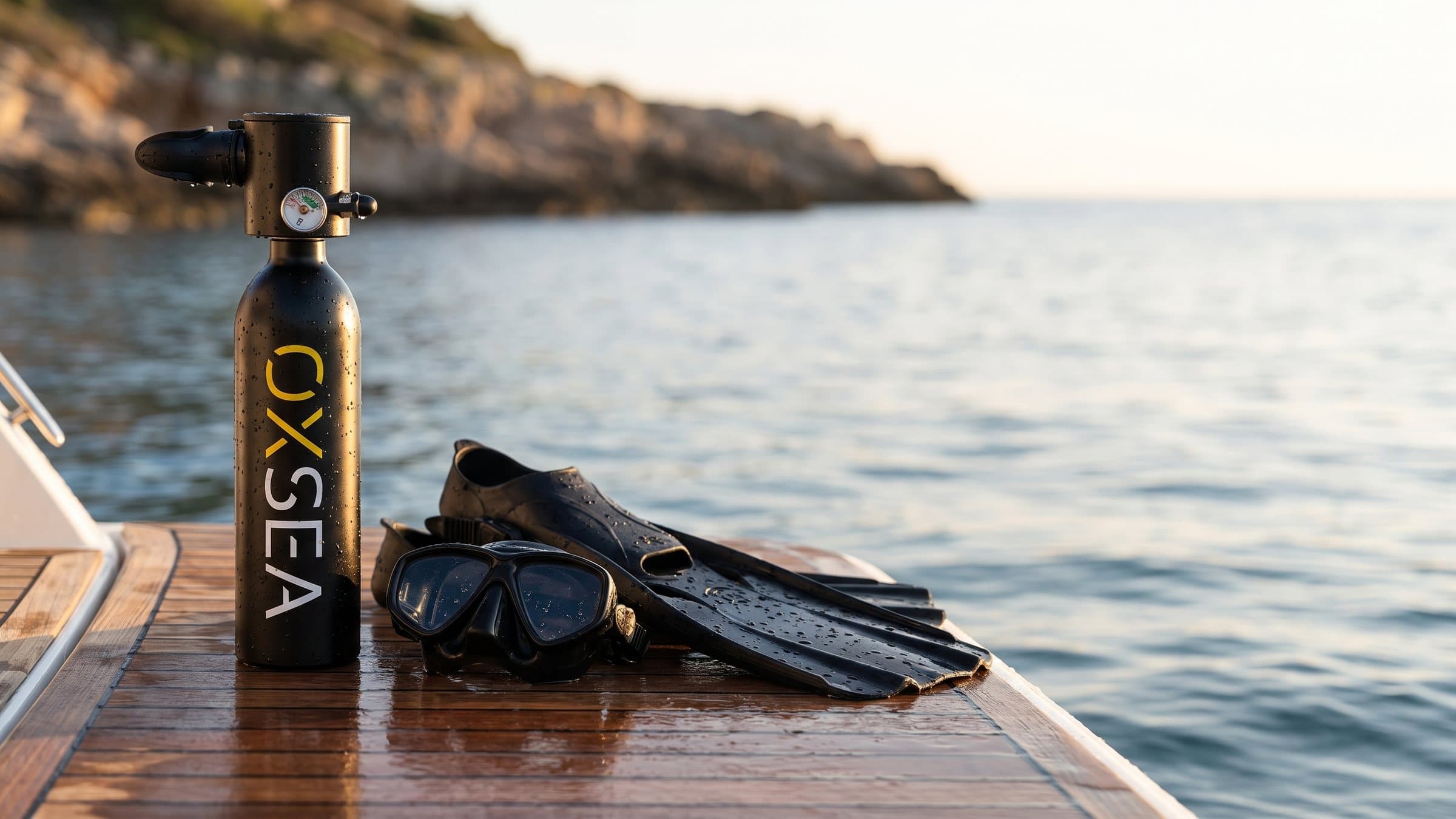
A mini tank makes a lot of boat jobs quick: a rope around the prop, a fouled anode, an anchor stuck on the bottom. In crocodile country, the quick option is often the wrong one. This guide is short, because the official advice is short.
Where croc country is
The Queensland Government is clear: croc country starts at the Boyne River, south of Gladstone, and runs north up the east coast and across Far North Queensland. Estuarine crocodiles live mainly in the tidal reaches of rivers, but also in freshwater lagoons and swamps hundreds of kilometres from the sea, and they turn up along some beaches and around offshore islands.
In the Northern Territory, the government's Be Crocwise program says saltwater crocodiles are present in Top End waterways all year round. They may be more active in the warmer months, and the breeding season runs from September to April.
Both governments say the same thing in different words: no waterway in croc country can be considered crocodile free.
What the official advice says about getting in the water
From the Queensland and NT Crocwise guidance:
- Only swim where there are designated safe swimming signs, or between the flags at a patrolled beach. In the NT, most fatal attacks in the past 20 years happened when people went into the water outside designated swimming areas.
- Do not swim at dawn, at dusk or at night, when crocodiles are most active, and stay out of murky water.
- Keep your arms and legs inside the boat. Do not hang any part of your body over the edge.
- Never lean over the side or get into the water to retrieve a snagged lure.
- The smaller the boat, the greater the risk. Kayaks and paddleboards are not recommended in crocodile habitat.
A hull or prop job breaks most of these at once. You are in the water outside a swimming area, often in a tidal creek or river mouth where the visibility is poor, close to a boat that may have been cleaning fish.
What we would do instead
We sell mini tanks, and we would still tell you this: in croc country, do not get in the water for a boat job in a river, a creek or an estuary.
- Rope or line around the prop? Tilt the leg up if you have an outboard or sterndrive and clear it from the boat. Otherwise, get the boat back to a ramp or a marina with a slipway and lift it.
- Anchor stuck? Try motoring over and past it from the opposite direction, or buoy it off and come back with help. Do not dive for it.
- Hull cleaning and anodes? Do them on the slip or the hardstand, or at haul-out.
- Fish frames and scraps go in the bin, never over the side or at the ramp. The Queensland guidance says crocodiles quickly learn that boats arriving at a ramp mean an easy meal.
A mini tank is a fine tool on the clear water around the reef or a southern marina. It does not make an estuary safe.
South of croc country
From the Boyne River south, crocodiles are not the issue, but other things are. In the tropics from November to May, box jellyfish and Irukandji are: our stinger season guide covers that. And wherever you are, fly a dive flag when you are under the boat. Our dive flag guide has the distance rules state by state.
Sources
- Queensland Government, Be Crocwise, Be Crocwise top tips and Boating in crocodile habitat areas
- Northern Territory Government, Be Crocwise: stay safe while swimming and stay safe while fishing and boating
Always obey crocodile warning signs.
The range
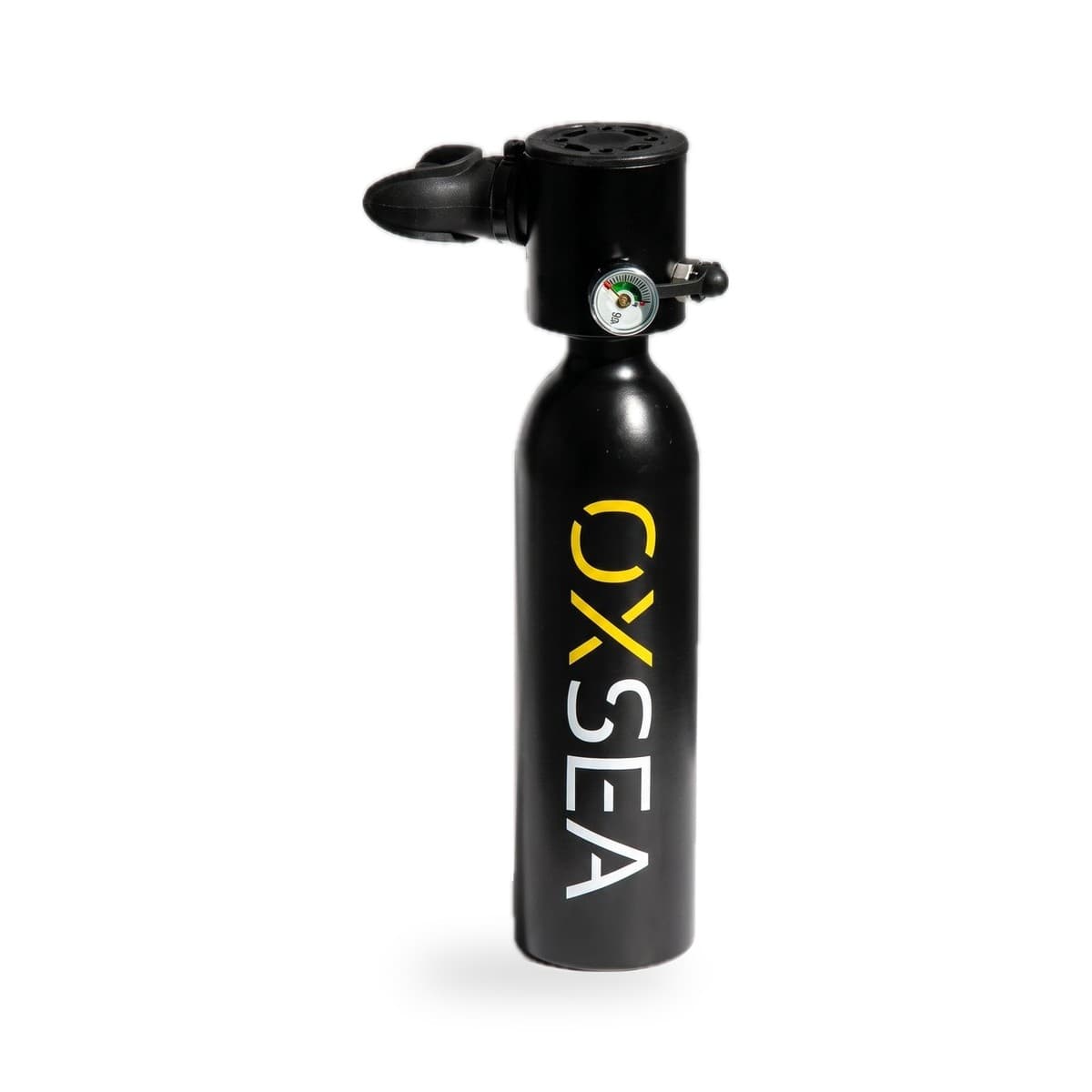
OX500
0.5 L, held in the mouth, up to 8 minutes
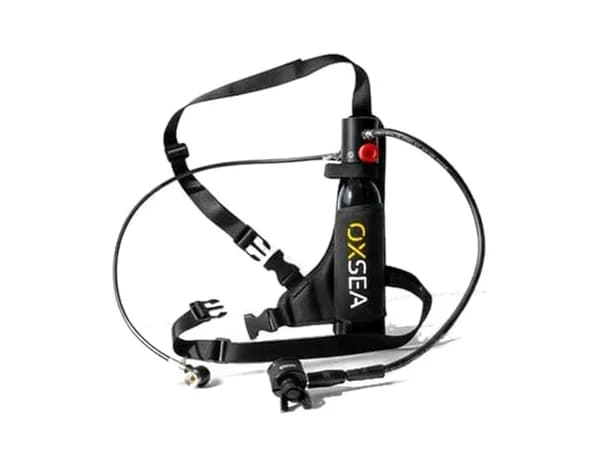
OX500Plus
0.5 L, in the mouth or on your back
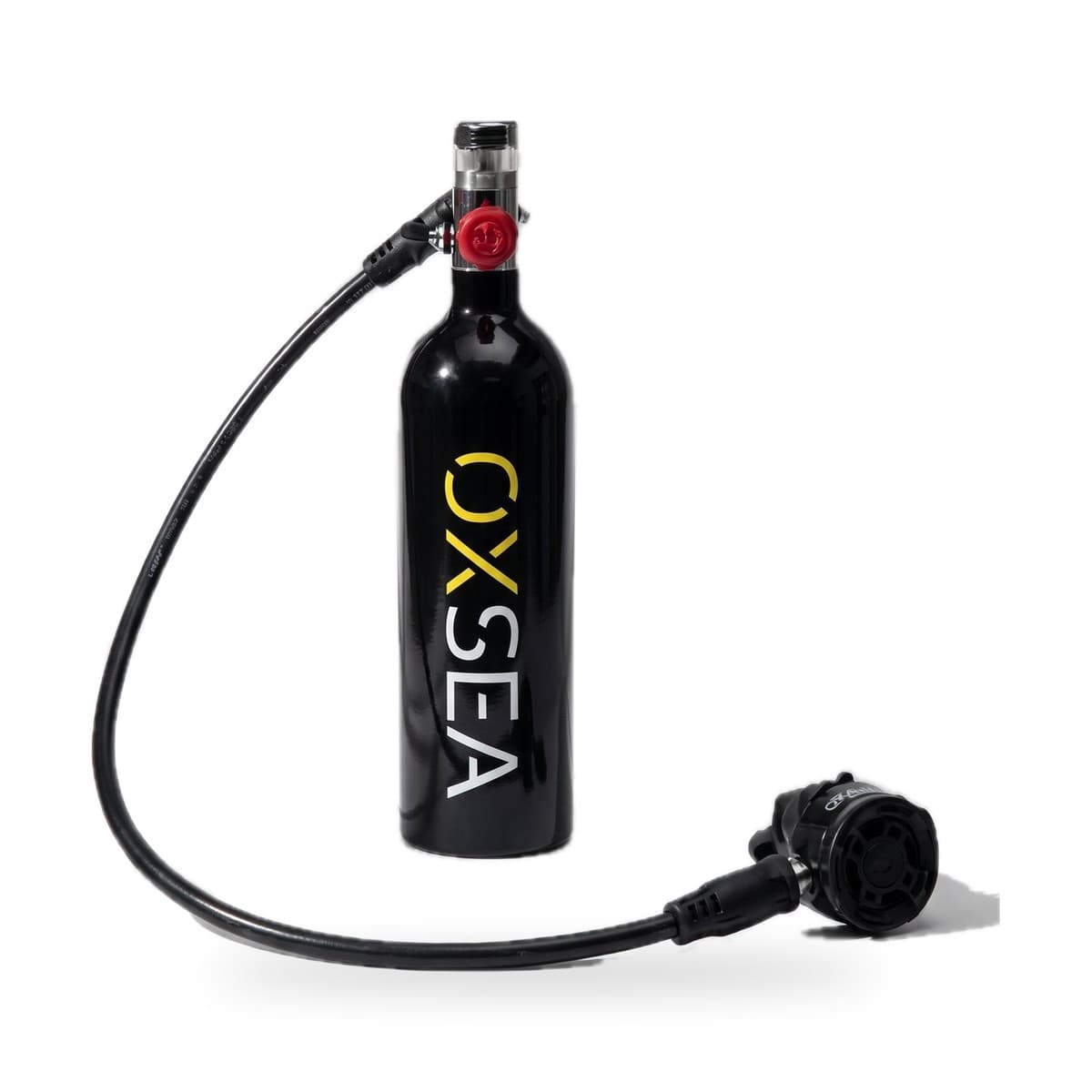
OX1000
1 L on your back, about 15 minutes
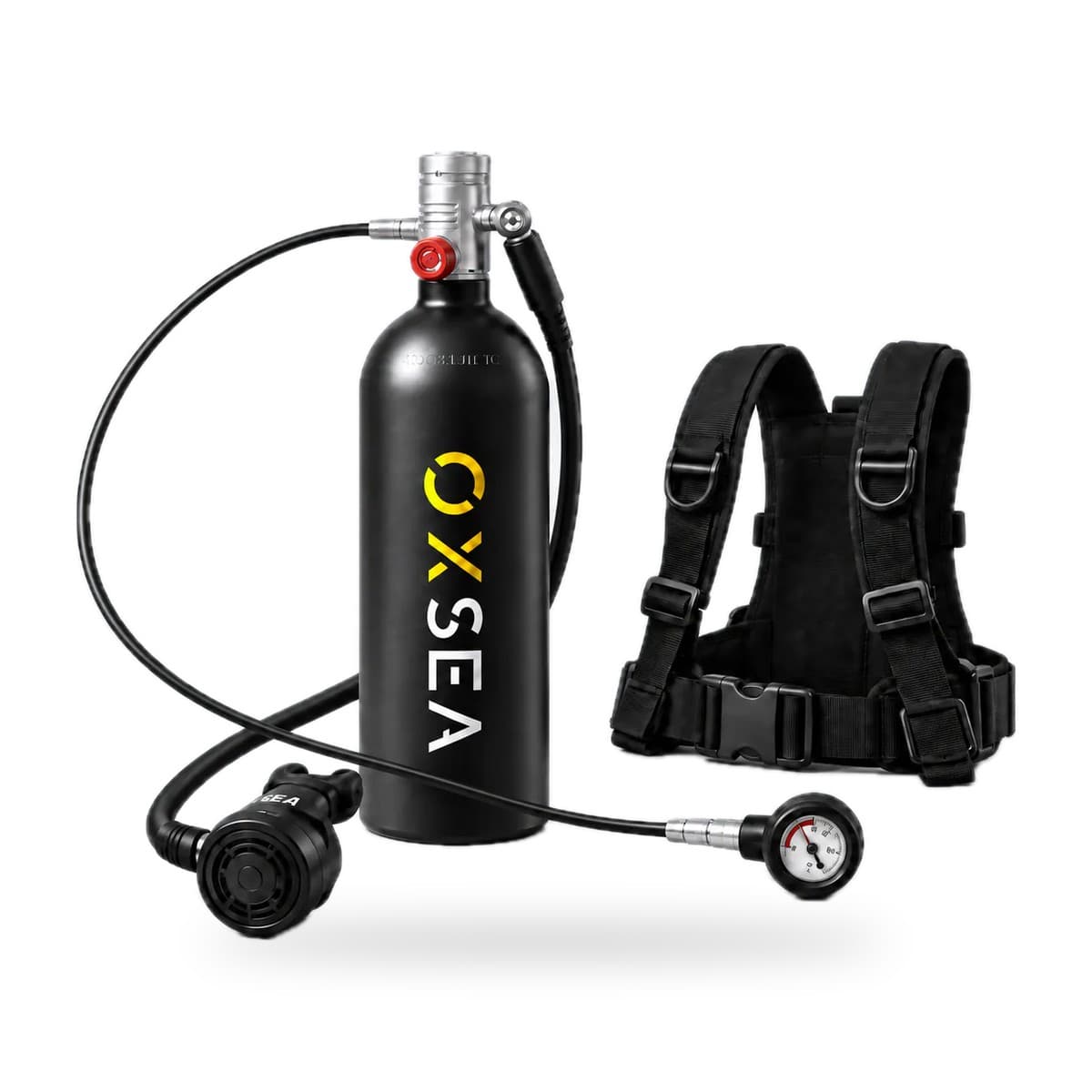
OX2000
2.3 L on your back, 20 to 25 minutes
Which OXSEA mini scuba tank? OX500, OX500Plus, OX1000 and OX2000 compared