
Stinger season in Australia: getting in the water with a mini tank from November to May
Box jellyfish and Irukandji season runs from November to May in the tropical north. Where the risk is, what to wear for boat jobs and the first aid to know.
Updated 18 October 2026 · 4 min read · by the OXSEA team
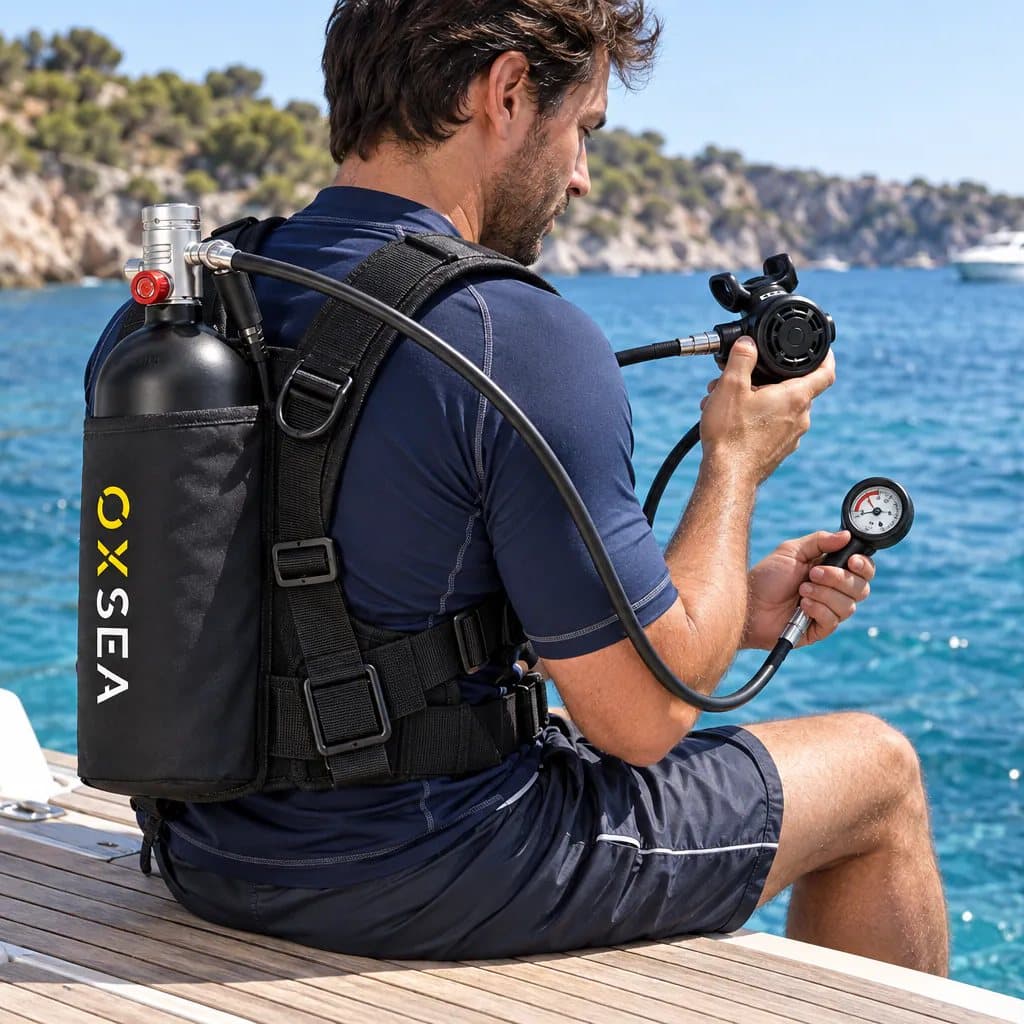
If your boat lives in Cairns, Townsville, the Whitsundays or Darwin, you know the signal: in November the stinger nets go back in at the main beaches. Less is said about what the season means when you go under your own hull to clear a prop or check an anode.
This guide sticks to what Surf Life Saving Queensland and the Queensland Government publish, then looks at how we would plan a mini tank job around it.
When and where the risk is
Surf Life Saving Queensland gives the season as November to May in tropical waters. The Queensland Government is more careful: stingers are present in tropical Queensland all year, and the risk goes up during those months.
Two species matter. Their range, as published by Surf Life Saving Queensland:
| Species | Where it is found |
|---|---|
| Box jellyfish | North of Agnes Water (Qld), all Northern Territory waters, Western Australia south to Exmouth |
| Irukandji | North of southern K'gari (Fraser Island), Northern Territory waters, Western Australia south to Exmouth |
In practice that means the Queensland coast from K'gari north (from Agnes Water north for box jellyfish), the whole Top End, and the WA coast down to Ningaloo. Sydney, Melbourne, Adelaide and Perth are outside both ranges.
Irukandji are small enough to slip through the mesh of a stinger net. Stings happen on the coast and out in Great Barrier Reef waters, so a trip to the reef does not take you away from them.
Why a stinger net does not cover a hull job
The nets at patrolled beaches are built to keep box jellyfish out of a swimming enclosure. Whitsunday Regional Council says plainly that they do not protect from smaller stingers such as Irukandji, and that the holes cannot be made smaller: the nets would clog and need cleaning several times a day. That is why beaches still close when Irukandji are found.
A marina berth or a mooring has no net at all. And a hull job is close to the worst case: your face and hands are next to the hull, you move slowly, and you stay in longer than someone going for a swim.
What to wear under the boat
- A full-length stinger suit, lycra or neoprene. Protective clothing is the first defence lifesavers recommend.
- A hood and thin gloves. Your hands are on the hull and the prop all the time, and your face is the part a suit leaves open.
- Booties if you stand on the swim platform or touch the bottom.
None of this changes how the tank works. The OX2000 harness goes on over the suit, and the regulator sits in your mouth as usual.
Planning jobs around the season
Do the long jobs before November. A full hull clean or an anode change is easier in the cooler months. Keep the stinger months for short checks: a rope around the prop, a look at the anode, a lost shackle.
Keep someone on deck. They pass you tools, keep an eye on the time and have the vinegar ready.
Keep vinegar on the boat itself. A one-litre bottle in the cockpit is worth more than the one in the car at the marina.
Know your air before you go in. Near the surface, the 2.3 L OX2000 gives 20 to 25 minutes, the 1 L OX1000 around 15 and the 0.5 L tanks up to 8. Effort, depth and water temperature all shorten that, so plan to be out with air left on the gauge.
The usual rules apply in every season: stay near the surface, breathe continuously, never hold your breath on the way up and ascend slowly. Our mini scuba tank safety guide goes through them one by one.
If someone gets stung
The first aid Surf Life Saving Queensland gives for tropical stings:
- Get the person out of the water and call 000 for an ambulance.
- Douse the sting liberally with vinegar for at least 30 seconds.
- No vinegar on board? Use cold packs.
- Start CPR if they stop breathing normally.
- After a possible Irukandji sting, watch the person for 45 minutes. The first sting can feel minor, then 5 to 40 minutes later comes severe muscle pain, headache, vomiting and sweating.
A box jellyfish sting is different: severe burning pain straight away and whip-like marks on the skin. In serious cases it can stop the heart or the breathing, which is why CPR is on the list.
South of the stinger line
From K'gari south, and along the southern half of the country, these two species are not a reason to stay out of the water. The other usual factors still count. Cold water uses air faster and shortens your time under the hull. Currents at a mooring can be strong at mid-tide. And boat traffic around a ramp or a fuel dock means someone on deck with a dive flag.
For the boat jobs themselves, our guides on cleaning a hull in the water and clearing a rope from a propeller go step by step.
Sources
- Surf Life Saving Queensland, Marine stingers
- Queensland Government, Dangerous marine life
- Whitsunday Regional Council, Marine stinger nets
Always follow local signs and lifeguard advice, which can change from day to day.
The range
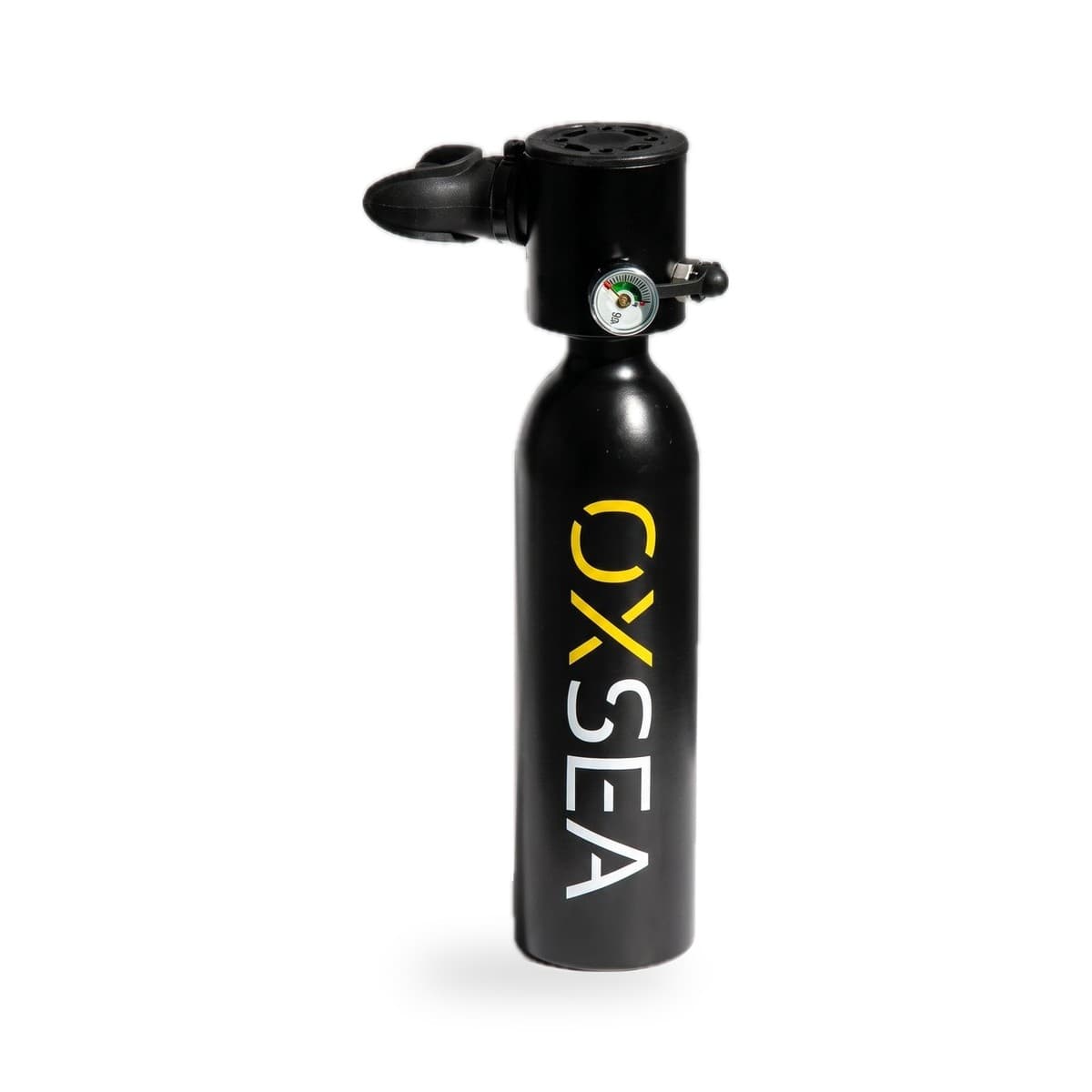
OX500
0.5 L, held in the mouth, up to 8 minutes
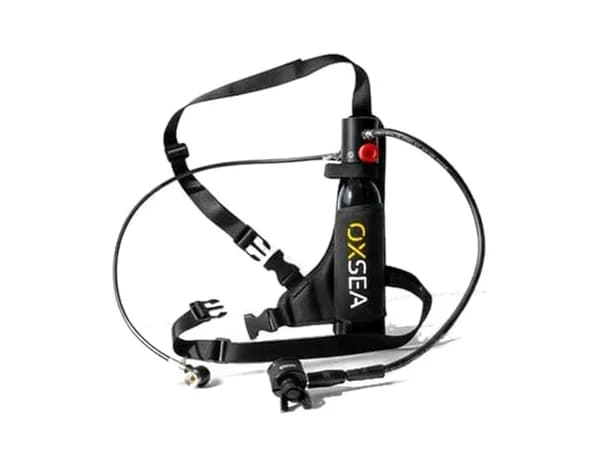
OX500Plus
0.5 L, in the mouth or on your back
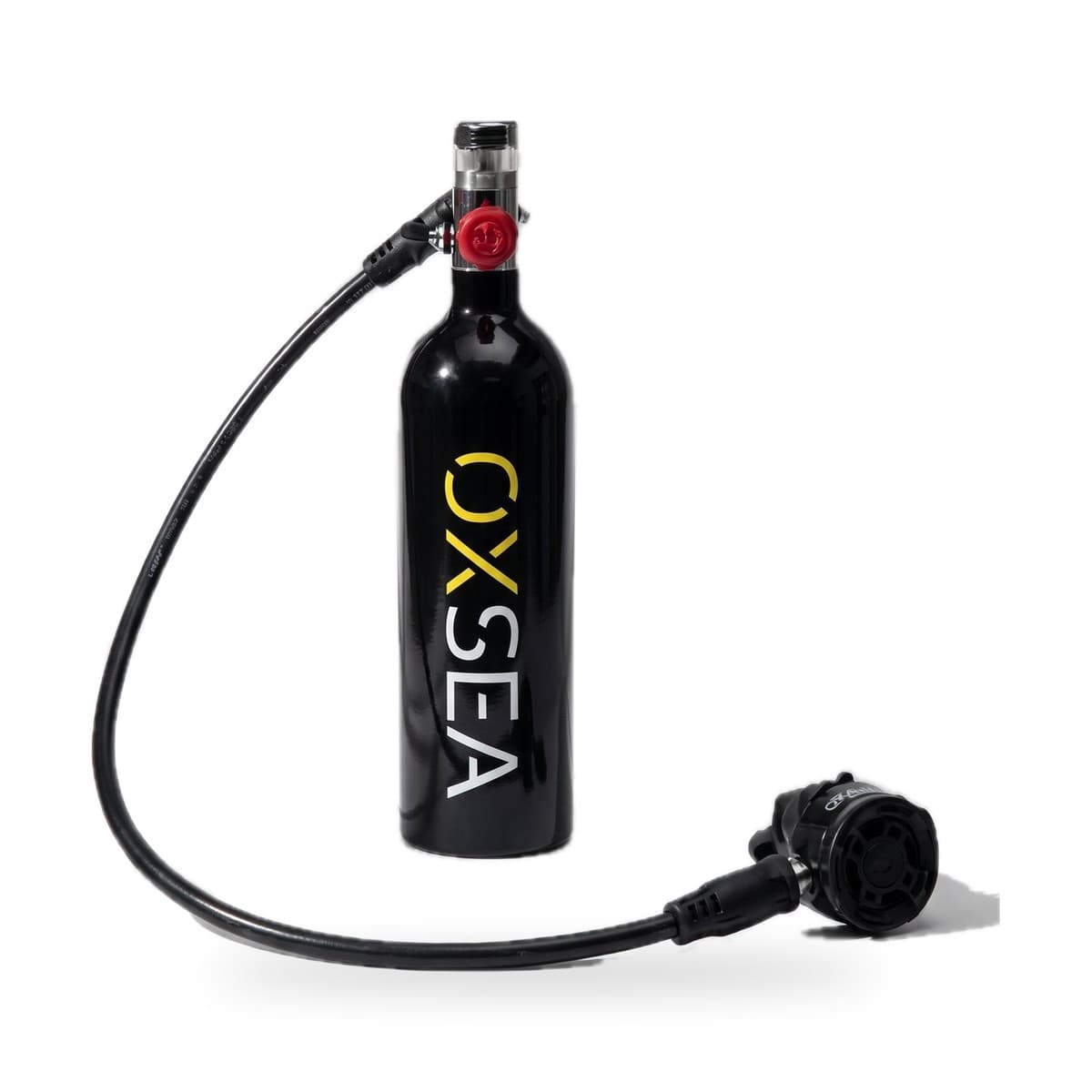
OX1000
1 L on your back, about 15 minutes
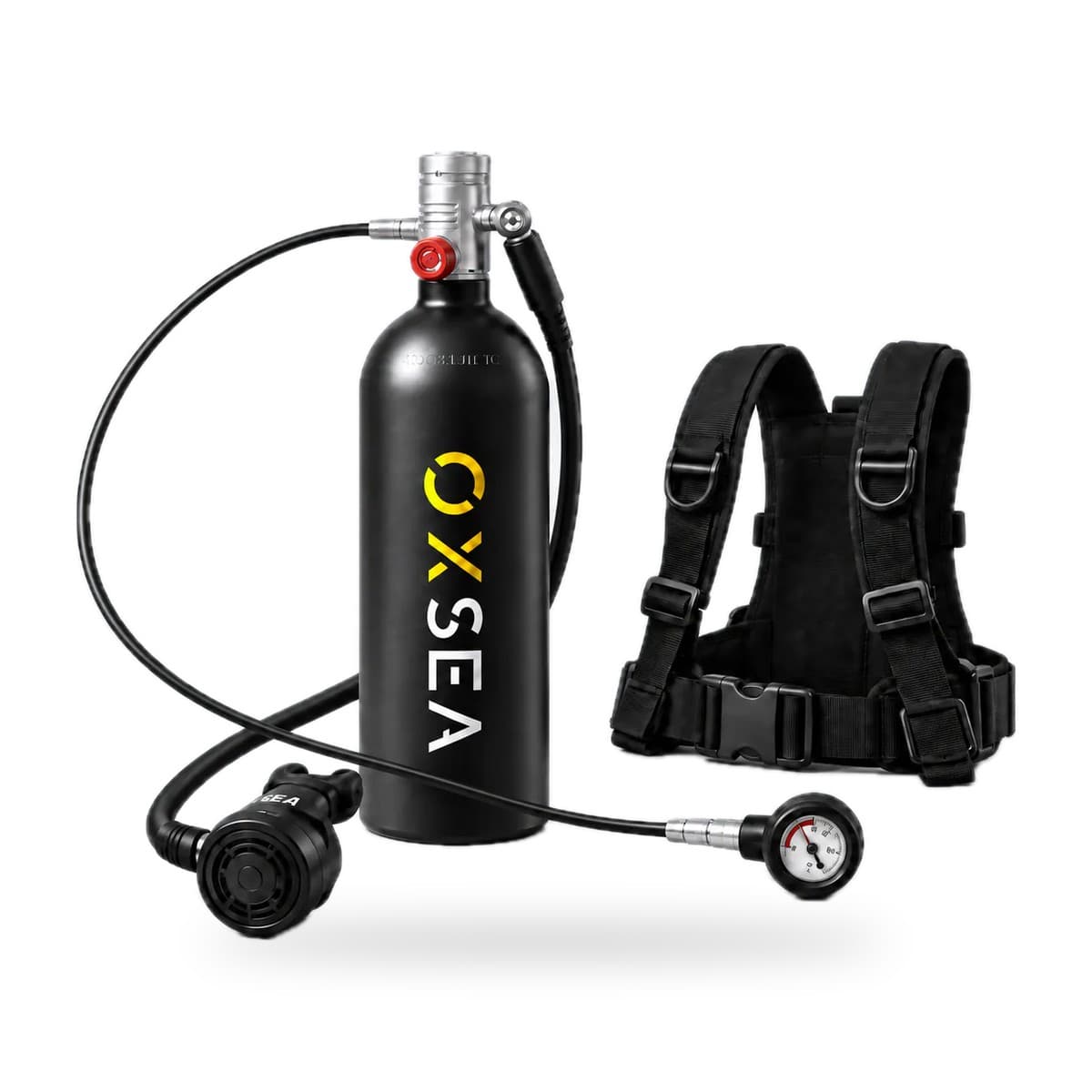
OX2000
2.3 L on your back, 20 to 25 minutes
Which OXSEA mini scuba tank? OX500, OX500Plus, OX1000 and OX2000 compared